The First Day of Lent
In the Roman Catholic Church, Ash Wednesday is the first day of Lent, the season of preparation for the resurrection of Jesus Christ on Easter Sunday. (In Eastern Rite Catholic churches, Lent begins two days earlier, on Clean Monday.)
Ash Wednesday always falls 46 days before Easter. Since Easter falls on a different date each year, Ash Wednesday does, too.
While Ash Wednesday is not a Holy Day of Obligation, all Roman Catholics are encouraged to attend Mass on this day in order to mark the beginning of the Lenten season.
The Distribution of Ashes
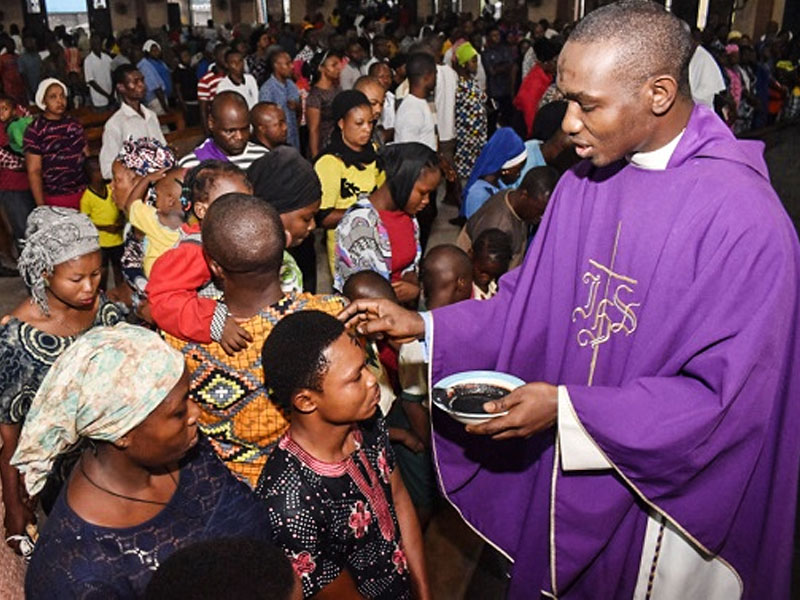
During Mass, the ashes which give Ash Wednesday its name are distributed. The ashes are made by burning the blessed palms that were distributed the previous year on Palm Sunday; many churches ask their parishioners to return any palms that they took home so that they can be burned.
After the priest blesses the ashes and sprinkles them with holy water, the faithful come forward to receive them.
The priest dips his right thumb in the ashes and, making the Sign of the Cross on each person's forehead, says, "Remember, man, that thou art dust, and to dust thou shalt return" (or a variation on those words).
A Day of Repentance
The distribution of ashes reminds us of our own mortality and calls us to repentance. In the early Church, Ash Wednesday was the day on which those who had sinned, and who wished to be readmitted to the Church, would begin their public penance. The ashes that we receive are a reminder of our own sinfulness, and many Catholics leave them on their foreheads all day as a sign of humility.
The practice of receiving ashes on Ash Wednesday is a popular devotion for Roman Catholics (and even for certain Protestants). Even though Ash Wednesday is not a Holy Day of Obligation, many Catholics attend Mass on Ash Wednesday in order to receive the ashes, which are sprinkled on top of their heads (the practice in Europe) or rubbed on their foreheads in the form of the Cross (the practice in the United States).
As the priest distributes the ashes, he tells each Catholic, "Remember, man, you are dust, and to dust you shall return," or "Turn away from sin and be faithful to the Gospel"-a reminder of our mortality and of our need to repent before it is too late.
A Day of Fasting and Abstinence
Far more important is observing the rules of fasting and abstinence, because Ash Wednesday is a day of strict fasting and abstinence from all meat and food made with meat.
Fasting and Abstinence Are Required
The Church emphasizes the penitential nature of Ash Wednesday by calling us to fast and abstain from meat. Catholics who are over the age of 18 and under the age of 60 are required to fast, which means that they can eat only one complete meal and two smaller ones during the day, with no food in between. Catholics who are over the age of 14 are required to refrain from eating any meat, or any food made with meat, on Ash Wednesday.
Why we receive the ashes
Following the example of the Nine vites, who did penance in sackcloth and ashes, our foreheads are marked with ashes to humble our hearts and reminds us that life passes away on Earth. We remember this when we are told
"Remember, Man is dust, and unto dust you shall return."
Ashes are a symbol of penance made sacramental by the blessing of the Church, and they help us develop a spirit of humility and sacrifice.
The distribution of ashes comes from a ceremony of ages past. Christians who had committed grave faults performed public penance. On Ash Wednesday, the Bishop blessed the hair shirts which they were to wear during the forty days of penance, and sprinkled over them ashes made from the palms from the previous year. Then, while the faithful recited the Seven Penitential Psalms, the penitents were turned out of the church because of their sins - just as Adam, the first man, was turned out of Paradise because of his disobedience. The penitents did not enter the church again until Maundy Thursday after having won reconciliation by the toil of forty days' penance and sacramental absolution. Later, all Christians, whether public or secret penitents, came to receive ashes out of devotion. In earlier times, the distribution of ashes was followed by a penitential procession.
The Ashes
The ashes are made from the blessed palms used in the Palm Sunday celebration of the previous year. The ashes are christened with Holy Water and are scented by exposure to incense. While the ashes symbolize penance and contrition, they are also a reminder that God is gracious and merciful to those who call on Him with repentant hearts. His Divine mercy is of utmost importance during the season of Lent, and the Church calls on us to seek that mercy during the entire Lenten season with reflection, prayer and penance.

The best definition for love according to St. John is that God is love.If so, as people created in the likeness of God, we are also people of love. We are created to love and receive love also. Perfect love…

Marriage relationship is based on love. Love in itself is compassionate and expressive, showing care and understanding of the person we love. Bearing this in mind, one wonders what happens when love in marriage relationships become sour.
With experience,…
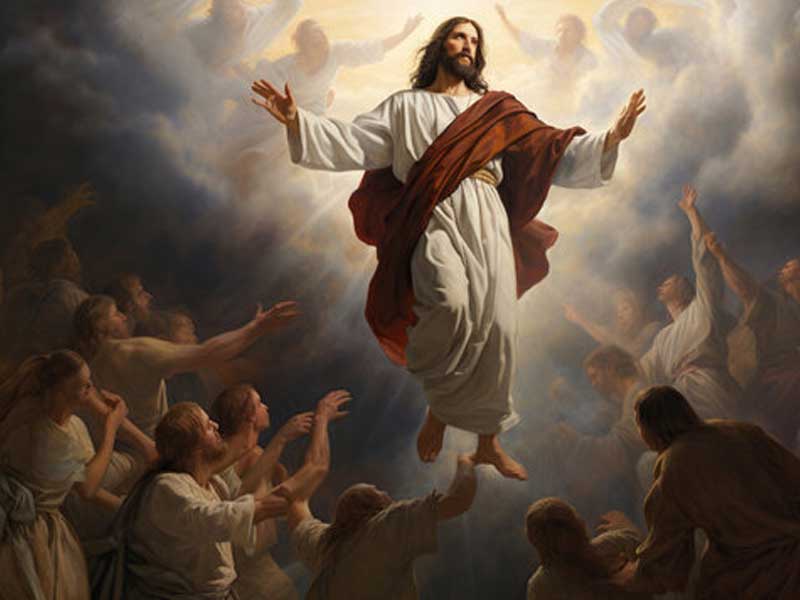
Forty days after his Resurrection, Jesus ascended into heaven. During this period between his Resurrection and Ascension, He actually gave…

Protestant attacks on the Catholic Church often focus on the Eucharist. This demonstrates that opponents of the Church-mainly Evangelicals and…

In many news stories these days, reporters use the words “executive compensation,” “deregulation,” and “profits” in pejorative, unflattering terms. In…

“Unless the Lord build the house, they labor in vain who build…” (Psalm 127:1).
“Children’s children are the crown of the…

“Once an alcoholic, always an alcoholic.”
Right?
“Once a liar, always a liar.”
Right?
Well, according to the wisdom of this…







© 2002- The Beacon International Catholic Magazine. All Rights Reserved
Another Mc.Rufus Interactive / CouchCMS Design












.jpg)